Youth hockey tournaments are some of the most exciting (and exhausting) weekends of the season. Multiple games, new opponents, travel, and high energy can bring out the best—and sometimes the worst—in players, parents, and coaches. A little preparation goes a long way toward making the experience positive and memorable for everyone involved.
Here are practical tips to help your team get the most out of tournament weekends.
1. Preparation Starts Before You Leave
A smooth tournament begins well before puck drop. Make sure players know the schedule, rules, and expectations for the weekend. Pack equipment early and double-check essentials like skates, jerseys, mouthguards, and extra sticks. Forgetting gear adds unnecessary stress and distraction. Parents should also plan meals, snacks, and travel time ahead of schedule to avoid rushing between games.
2. Rest Is a Competitive Advantage
Tournament weekends often mean early mornings and late nights. Players perform best when they’re well rested, so prioritize sleep—even if that means skipping the hotel pool or late-night screen time. Fatigue leads to slower reactions, more penalties, and higher injury risk.
3. Fuel the Right Way
Hockey burns a lot of energy. Encourage players to eat balanced meals with carbohydrates, protein, and healthy fats. Stick to familiar foods—tournaments are not the time to experiment. Light snacks like fruit, yogurt, granola bars, and sandwiches between games help maintain energy without weighing players down. Hydration matters just as much. Drinking water consistently throughout the day is key.
4. Focus on One Game at a Time
It’s easy to look ahead at standings, playoffs, or the next opponent. The most successful teams stay locked into the moment. Encourage players to focus on their effort, attitude, and execution each game rather than outcomes they can’t control. A strong shift-by-shift mindset keeps nerves in check and builds confidence.
5. Manage Emotions—Highs and Lows
Tournaments bring emotional swings: big wins, tough losses, missed chances. Players should learn to reset quickly. Celebrate wins with humility and treat losses as learning opportunities. Emotional control is a skill that translates far beyond hockey. Parents can help by reinforcing positivity and avoiding post-game criticism in the car ride back to the hotel.
6. Team Behavior Matters Off the Ice
How a team behaves away from the rink reflects its culture. Respect hotel staff, officials, opponents, and other guests. Coaches should clearly communicate behavior expectations, and parents should support them. Strong off-ice behavior builds team pride and keeps the focus where it belongs—on hockey.
7. Keep Perspective
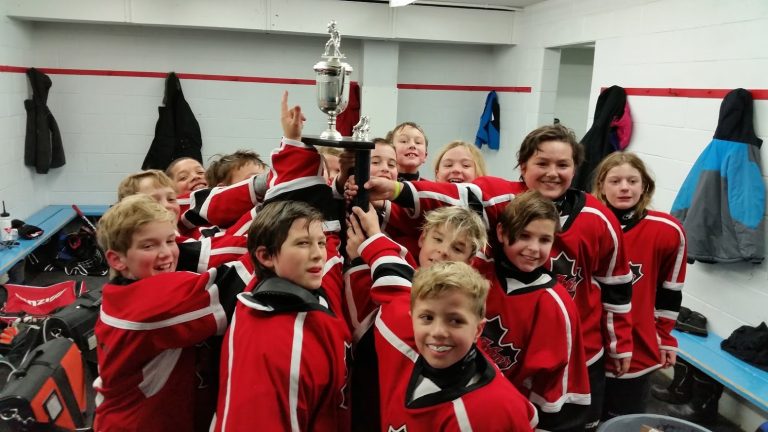
Tournaments are about development, competition, and memories. Not every game will be perfect, and that’s okay. Growth often comes from adversity, not trophies. Encourage players to enjoy the experience, support teammates, and take pride in effort. Years from now, players will remember the fun, friendships, and lessons learned—not just the final score.